
A dental crown is designed to protect and strengthen a damaged tooth, so it can be alarming when one suddenly comes loose or falls out. While this situation is rarely a true emergency, how you respond in the first hours and days can make a big difference in comfort and long-term outcomes. Knowing what to do can help you protect your tooth and avoid further complications until you see your dentist.
Stay Calm and Retrieve the Crown
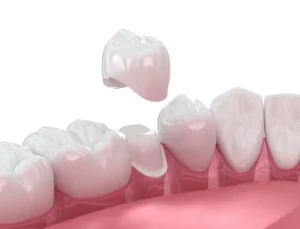
The first step is to stay calm and find the crown if possible. Pick it up carefully and rinse it with water to remove any debris. Avoid scrubbing it or using harsh cleaners, as this can damage the crown or alter its fit. If the crown is intact, there is a good chance your dentist can re-cement it. Take a look at the crown and the tooth it came from. If the crown appears cracked or the tooth looks broken, make note of that for your dentist. Even if everything seems fine, professional evaluation is still essential.
Protect the Exposed Tooth
When a crown falls off, the tooth underneath is often more sensitive because it has less enamel or may have been treated with a root canal. Try to avoid chewing on that side of your mouth. Hot, cold, or very sweet foods may cause discomfort, so sticking to lukewarm and soft foods is usually more comfortable. If the tooth feels sharp or jagged, dental wax from a pharmacy can be gently applied to cover rough edges. This can help prevent irritation to your tongue and cheeks while you wait for your appointment.
Consider Temporary Solutions Carefully
Some people choose to place the crown back on the tooth temporarily. Over-the-counter dental cement can sometimes be used for short-term protection, but it is not a permanent fix. If you attempt this, make sure the inside of the crown is clean and dry before placing it, and never use household glues. These products are not safe for the mouth and can cause damage to the tooth or surrounding tissues. If the crown does not fit easily back into place, do not force it. Forcing a crown can injure the tooth or gums and may make professional repair more difficult.
Manage Pain or Sensitivity
Mild discomfort or sensitivity is common after a crown falls off. Over-the-counter pain relievers can help if needed, as long as you follow the directions on the label. Rinsing gently with warm salt water can also soothe irritated gums and help keep the area clean. Avoid clenching or grinding your teeth, as this can increase sensitivity and risk further damage to the exposed tooth. If pain becomes severe or swelling develops, contact a dentist as soon as possible.
Schedule a Dental Appointment Promptly
Even if you are not in pain, it is important to see your dentist promptly. The longer a tooth remains uncovered, the higher the risk of decay, infection, or shifting of the surrounding teeth. In many cases, a dentist can simply clean the crown and tooth and re-cement it during a single visit. If the crown or the underlying tooth is damaged, your dentist will discuss alternative treatments. This may involve making a new crown or addressing any decay or structural issues before replacing it.
Preventing Future Crown Problems
Crowns are durable, but they are not indestructible. Good oral hygiene, including regular brushing and flossing, helps prevent decay around the edges of crowns. Avoid chewing ice, hard candies, or non-food items, as these can loosen or crack dental restorations. If you grind your teeth at night, wearing a night guard can significantly reduce stress on crowns and other dental work.
Dental Crown Care in Woodstock, MD
If your dental crown comes loose or falls off, don’t panic. Dr. Walter Mazzella and his team are here to help. The sooner you seek treatment, the better. Contact his office today to schedule your appointment and ensure your oral health is properly protected.